
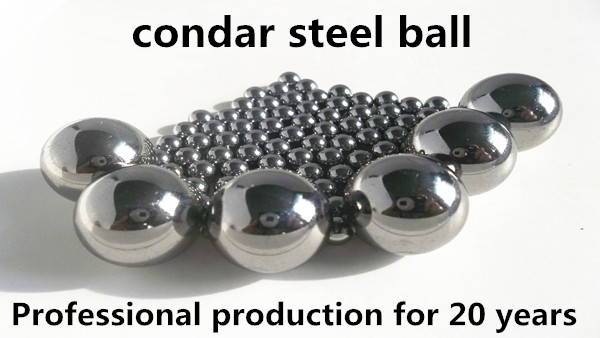
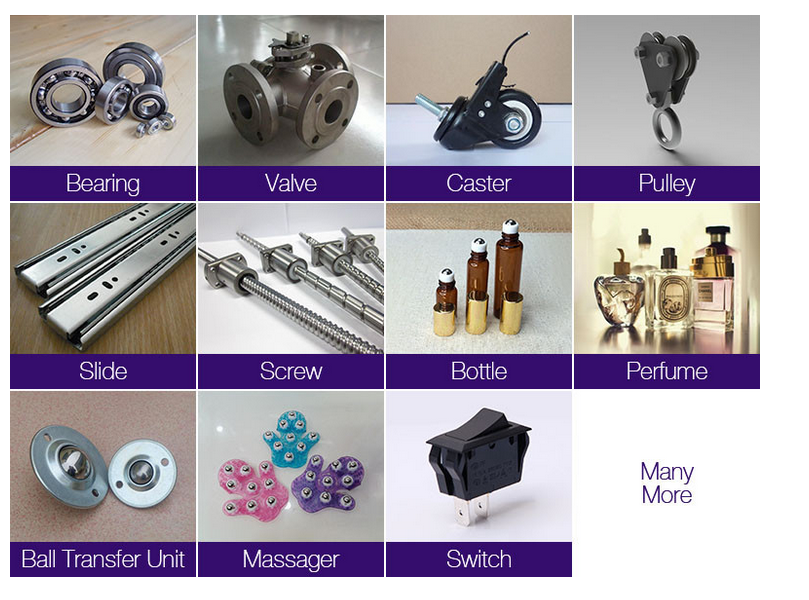
Ground from GCr15 chromium steel — sold elsewhere as AISI52100, SUJ2 or 100Cr6 — these bearing steel balls run in grades G10 through G200 at HRC60–66. The band is deliberately miniature: it covers instrument bearings, small motors, valve seats, dosing pumps and compact guide mechanisms, where the rolling element is only a few millimetres across and still carries load thousands of times an hour.
Grade is what separates one order from another here. G10 holds the tightest tolerance in the range and G200 the most relaxed, so the same steel can serve a fine instrument or a repair shelf. Each diameter and grade is a separate line, which lets a buyer take 1.5 mm, 2.5 mm and 4 mm in one shipment instead of splitting the requirement.
Most buyers are bearing and component manufacturers, maintenance departments holding replacement stock, and hardware distributors supplying repair shops. If you are weighing precision steel balls against a general-purpose grade for the same fit, the grade number — not the steel — is what decides running accuracy.
| Material | GCr15 / AISI52100 / SUJ2 / 100Cr6 chromium steel |
| Diameter range | 0.5 mm – 5.0 mm |
| Precision grade | G10 – G200 |
| Hardness | HRC60–66 |
| Surface | Ground |
| Standards | DIN, AISI, GB |
| Certification | ISO, RoHS |
| Country of origin | Shandong, China |
| Brand | Condar |
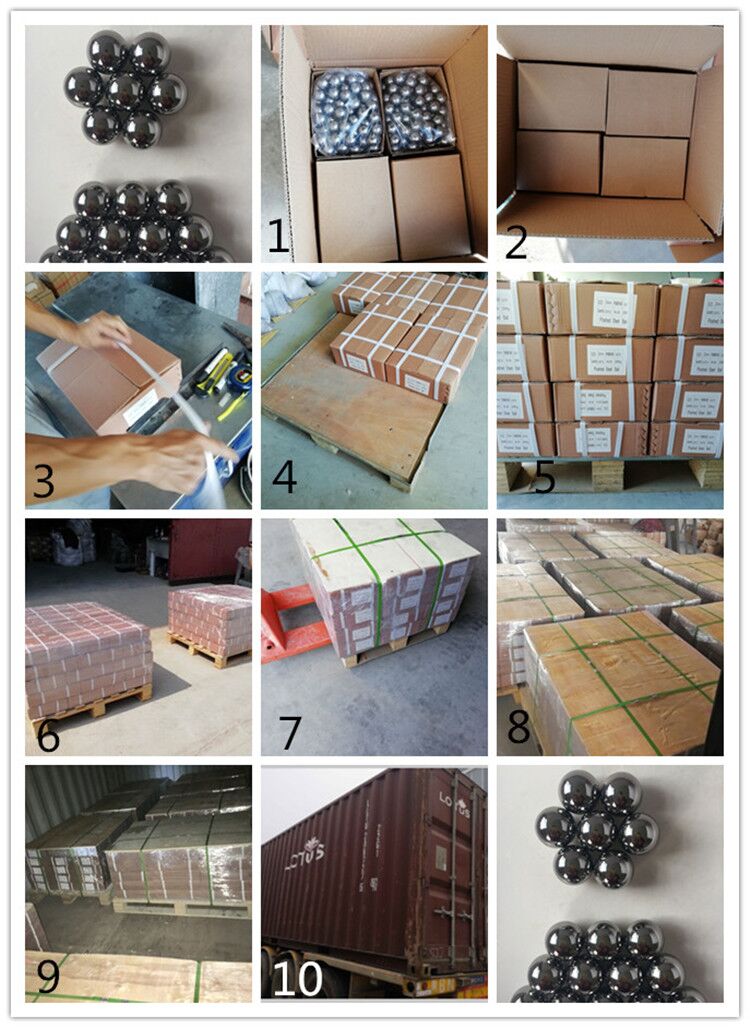
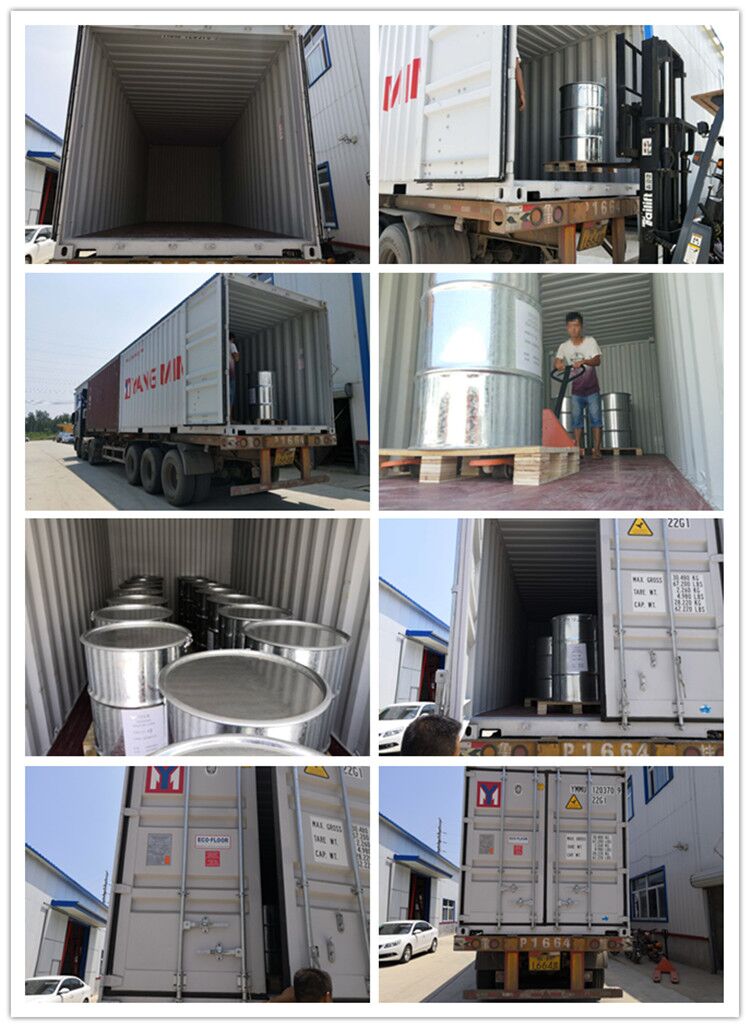
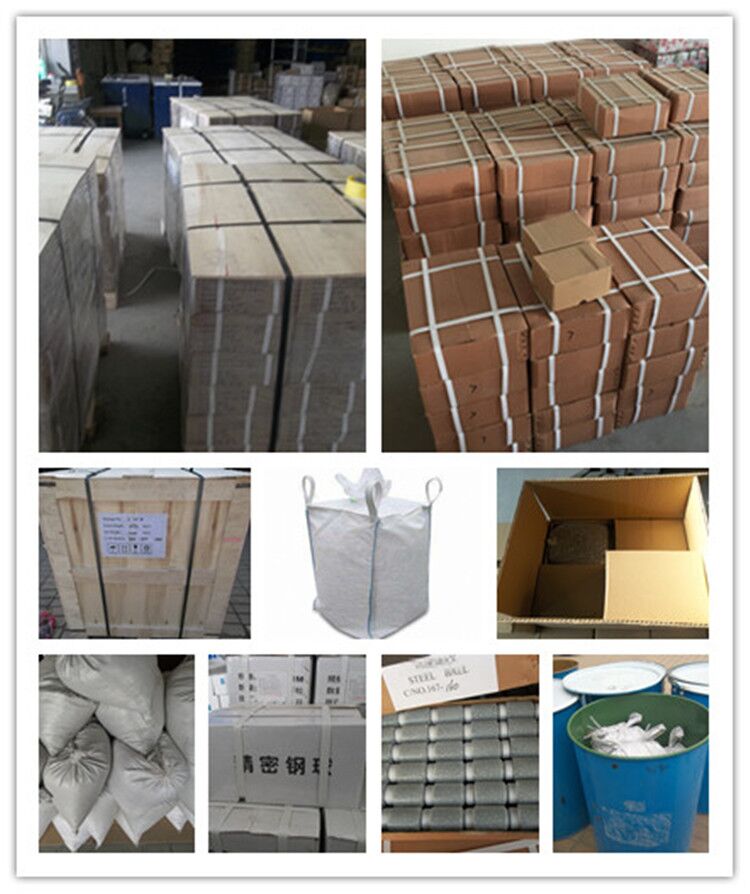
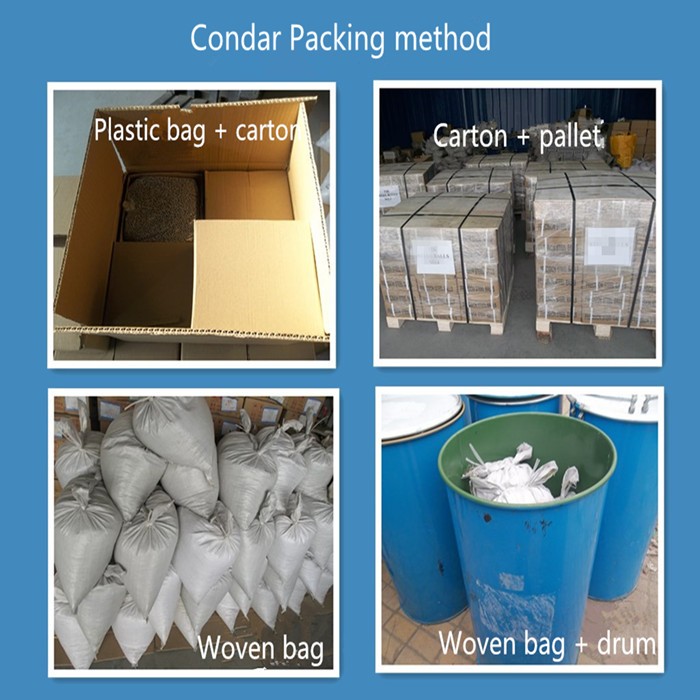
| Packing | Cardboard box + pallet |
| Typical application | Bearing parts |
Diameter follows the space the ball has to work in. Balls from 0.5 mm to about 1.5 mm go into the smallest instrument and motor bearings, where a fraction of a tenth of a millimetre shifts preload; 1.5 mm to 3 mm is the working middle of the range and covers most miniature bearing units, small pumps and control mechanisms; 3 mm to 5 mm suits small bearings, valve seats and slide contacts that carry more load and can accept a larger element. All of them are cut from the same 52100 ball bearing steel, so the diameter you choose does not change the grade of steel behind it.
The grade decides how closely each ball is held to a true sphere and to nominal size. G10 is the tightest option here and G200 the loosest. Tight grades make sense where several balls share a load and any variation shows up as play or noise; looser grades are the practical choice for repair stock, slow mechanisms and general hardware, and they cost less per piece. A common mistake is putting the tightest grade into a housing that was machined loosely — the assembly cannot use the extra accuracy.
When you specify steel balls for bearings, give the diameter, the grade and the material together, exactly as they appear on the drawing or on the worn part. Those three lines are enough to quote against, and they prevent the usual mix-up between a 3 mm G10 and a 3 mm G200 line.

Monthly output on this range is 1,586,000 pieces, which matters when the balls are a repeating line rather than a one-off purchase. As a ball bearing manufacturer running to a fixed production schedule, we can hold a grade and diameter combination steady across consecutive lots, so the second delivery behaves like the first and your assembly settings do not have to be adjusted each time.
The practical gain for buyers running several small parts is consolidation: the full range on one purchase order and one set of documents. Sharing your forecast early helps, because a scheduled call-off on the steel balls for bearings you use most keeps stock planning simple on both sides. Mixed diameters ship together, and repeat orders keep the same grade reference from lot to lot.
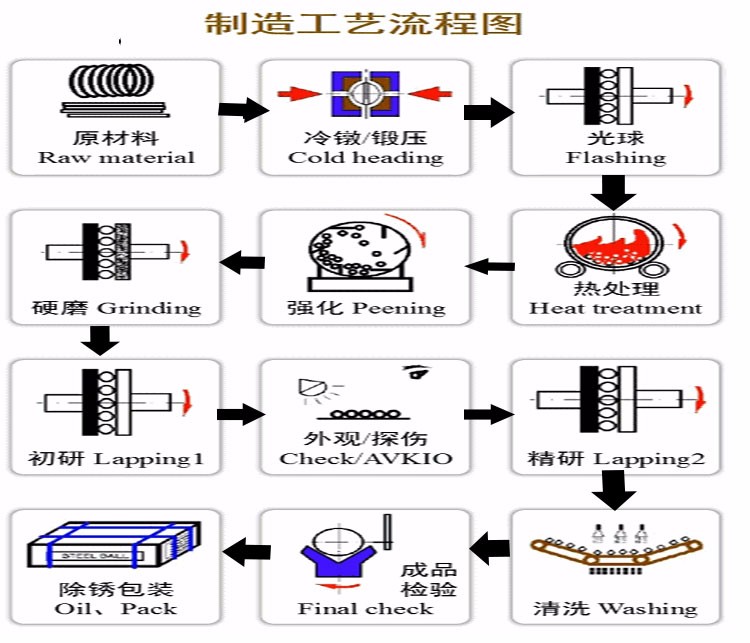
Ground all over, not polished for show
Every ball in this range leaves production ground. Grinding is the operation that brings a formed sphere to its nominal diameter and its roundness at the same time, so the surface you receive is the surface the grade was measured on — the same face the micrometer and the roundness meter checked. It comes up bright and even grey, with a fine directional pattern visible under a magnifier on the looser grades and a smoother, more uniform texture as you move toward G10.
Finish matters because a rolling element does not carry load at a point. Inside a miniature bearing the ball touches the raceway over a small ellipse, and any roughness peak within that ellipse takes far more than its share of the stress. A ground face spreads contact evenly across the whole patch, which is what keeps preload stable around the raceway and stops running torque from climbing as speed rises. A cosmetically polished ball can be right at its equator and vague near its poles; in an assembly built from small steel balls, a few micrometres of that vagueness is enough to show up as noise, or as play you cannot adjust out.
Surface and lubrication work as a pair. The finer the finish, the thinner the oil film that can still separate ball from raceway, so ground balls suit low-viscosity grease and lightly lubricated instrument mechanisms where a rougher surface would run metal on metal. Where the film is marginal, roughness peaks are also where a chrome steel balls assembly starts to pit: the peak yields, the pit grows, and the debris it sheds damages the rest of the race. That is why finish and hardness are specified together rather than one without the other.
What arrives is bare, unplated 52100 ball bearing steel. There is no coating to wear through and no colour layer to chip — and equally no corrosion barrier, so keep cartons sealed until the balls go into the line and keep the storage area dry. If your drawing calls for a decorative or coloured finish rather than a rolling surface, tell us when you enquire: a plated or mirror-polished ball is a different product, built for appearance rather than for load. For a precision steel balls order, the practical question is not how shiny the ball looks but whether grade, diameter and ground finish belong to one specification — and that is what we quote and inspect against.
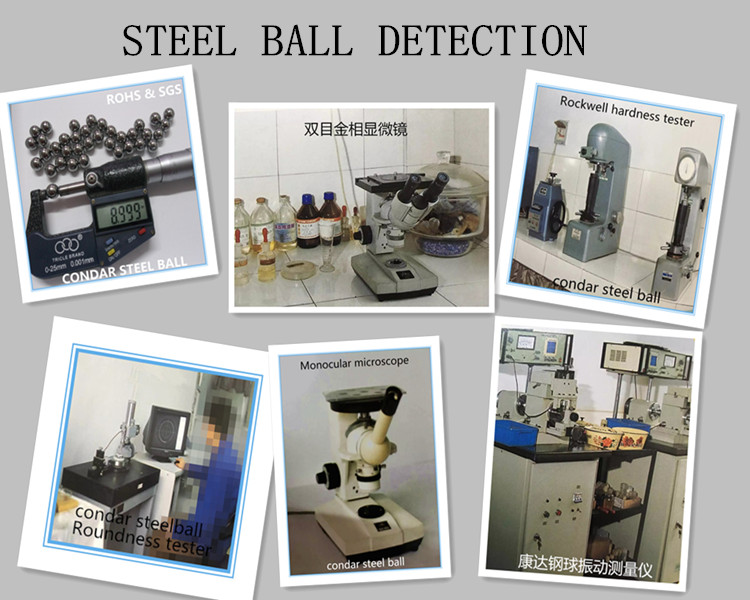
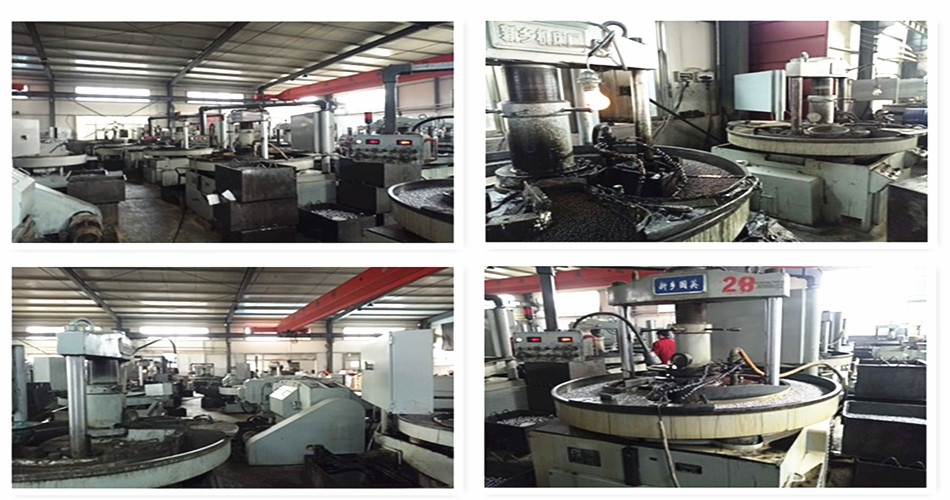
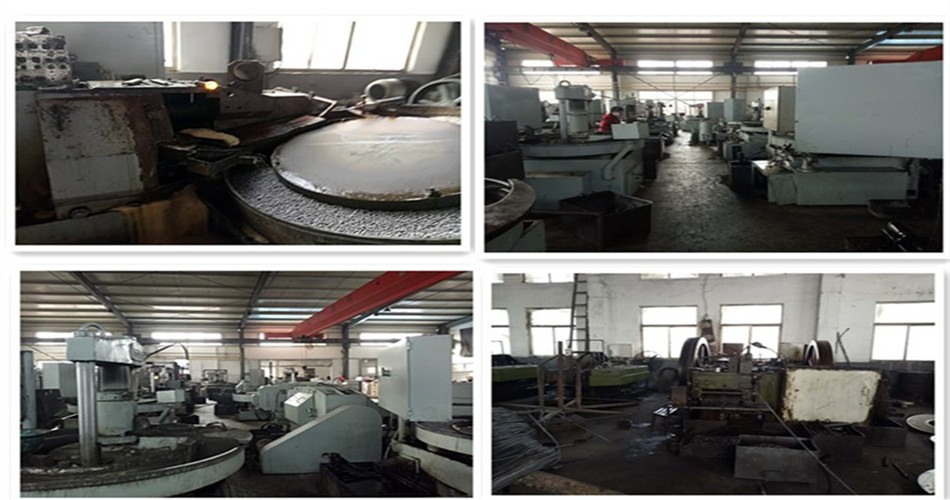
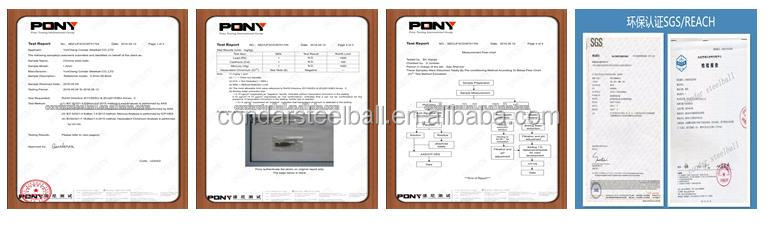
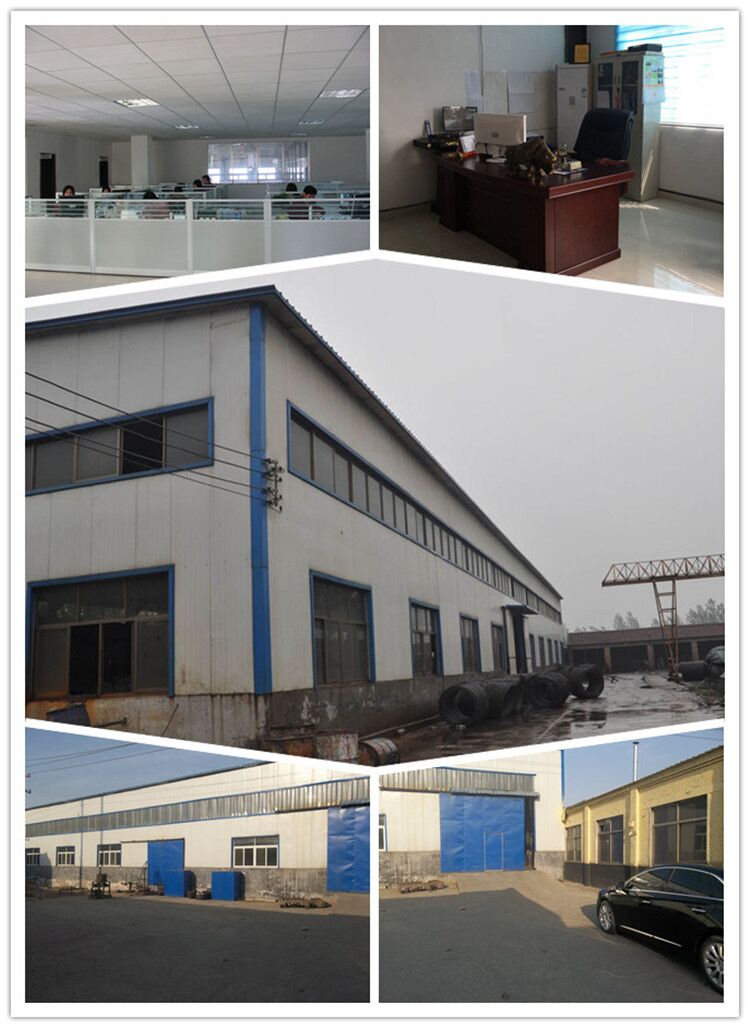
Yuncheng Kangda Steelball Co., Ltd., the factory behind the Condar brand, has been producing precision balls in Shandong, China since 2014 with a team of 80. Two factories handle production, while a 2,000 m² warehouse inside the Liaocheng logistics park keeps common sizes in stock so ordered sizes can leave quickly. More than a hundred sets of production and inspection equipment work to GB/T308.1-2013, backed by ISO documentation and RoHS/REACH material statements. Customised or made-to-order items can be quoted case by case.
The range covers miniature sizes only; see the specifications table for the exact diameters. Every diameter is a separate line with its own grade, so a mixed order is normal — small steel balls for instrument bearings and larger ones for valve work can travel on the same order.
Yes. The range is graded G10 to G200, and the grade describes how closely each ball is held to a true sphere and to nominal size. For a bearing running at speed, or for a set of steel balls for bearings that has to share load evenly, choose the tightest grade your housing tolerance can actually use; for repair work and general mechanisms a coarser grade is usually the sensible buy.
This range is produced in chromium bearing steel only — GCr15, AISI52100, SUJ2 or 100Cr6. Chrome steel balls are the right choice where hardness and load capacity matter; if your application needs corrosion resistance instead, tell us the diameter, quantity and working environment, and we will confirm which stainless option suits before you commit to an order.
Work from the drawing or from the part you are replacing: nominal diameter, grade, and the tolerance of the mating housing or raceway. If you only have the worn ball, measure it with a micrometer rather than a rule. Send those three details and we will confirm whether the precision steel balls in this range match, or whether a different grade is the better fit.
Compare like for like: diameter, grade, material designation and hardness range. This range comes from a single ball bearing manufacturer, with chemistry stated element by element, so the offer can be checked against your own specification rather than taken on description.
They are ground, which gives the bright, even, mirror-like surface these balls are known for and removes the scale and high spots left by forming. On 52100 ball bearing steel a clean ground surface is what lets the ball roll smoothly instead of wearing into its raceway, and it is why the balls read almost polished even at 1 mm.


